Blog

Copper Electroplating
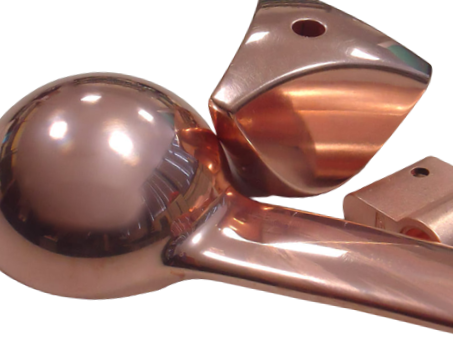
copper electroplating parts

Copper electroplating is a process that involves depositing a layer of copper onto a metal substrate through an electrolyte solution containing copper ions. The process is carried out through the use of an electrical current, which causes the copper ions to be deposited onto the substrate.

Copper electroplating has a wide range of applications in various industries, including electronics, automotive, aerospace, and decorative items. It is an effective way to improve the surface properties of metal substrates, such as their corrosion resistance, wear resistance, and electrical conductivity.

Copper Electroplating Process

The copper electroplating process involves the following steps:

  1. Cleaning: The metal substrate is thoroughly cleaned to remove any dirt, grease, or other contaminants that may interfere with the plating process.

  2. Pre-treatment: The substrate is then subjected to a pre-treatment process, which involves the application of a layer of a special solution that prepares the surface for plating. This step is crucial to ensure good adhesion and uniform plating.

  3. Electroplating: The substrate is immersed in an electrolyte solution containing copper ions and connected to a power source. An electrical current is passed through the solution, causing the copper ions to be deposited onto the substrate. The thickness of the copper layer can be controlled by adjusting the current density and plating time.

  4. Post-treatment: After plating, the substrate is rinsed and subjected to a post-treatment process to remove any residual chemicals and improve the surface finish.

copper electroplating pipes

Types of Copper Electroplating

There are several types of copper electroplating, each with its own unique properties and applications:

  1. Acid copper plating: This type of plating is commonly used for decorative items, such as jewelry and bathroom fixtures. It produces a bright, shiny finish and can be easily polished.

  2. Cyanide copper plating: This type of plating is used for applications where a thick layer of copper is required, such as electrical contacts and busbars. It is highly corrosive and requires special handling and disposal procedures.

  3. Alkaline copper plating: This type of plating is commonly used in the electronics industry for printed circuit boards and semiconductor devices. It produces a fine-grained, uniform layer of copper with good adhesion.

copper electroplated articles

Advantages and Disadvantages of Copper Electroplating

Copper electroplating offers several advantages, including:

  1. Improved surface properties: Copper electroplating can improve the surface properties of metal substrates, such as their corrosion resistance, wear resistance, and electrical conductivity.

  2. Cost-effective: Copper electroplating is a cost-effective way to improve the properties of metal substrates, compared to other coating methods, such as vacuum deposition and chemical vapor deposition.

  3. Versatile: Copper electroplating can be used in a wide range of applications, including decorative items, automotive parts, and electronics.

However, copper electroplating also has some disadvantages, including:

  1. Environmental concerns: The chemicals used in copper electroplating can be harmful to the environment if not handled and disposed of properly.

  2. Limited thickness: Copper electroplating is limited in the thickness of the copper layer that can be deposited, making it unsuitable for applications requiring thick layers of copper.

  3. Surface preparation: The quality of the copper layer depends on the quality of the surface preparation, which can be time-consuming and labor-intensive.

Conclusion

Copper electroplating is a versatile and cost-effective process that can improve the surface properties of metal substrates in various applications. It offers advantages such as improved corrosion resistance, wear resistance, and electrical conductivity. However, it also has some disadvantages, such as environmental concerns and limited thickness. Careful handling and disposal of the chemicals involved in the process are essential to ensure its safety and
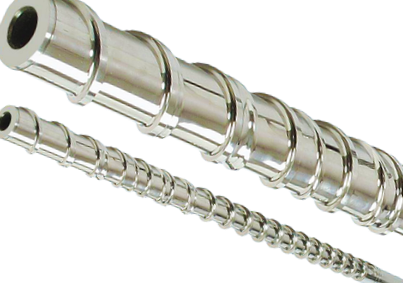
Hard Chrome Electroplating

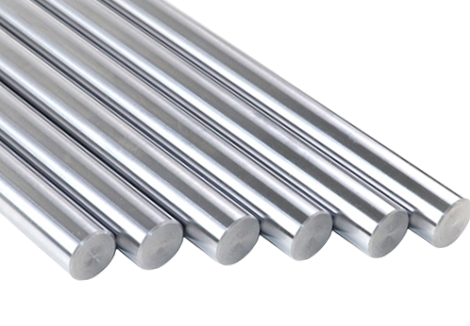
Hard chrome electroplating rods

Hard chrome electroplating is a process that involves depositing a layer of chromium onto a metal substrate to improve its hardness, wear resistance, and corrosion resistance. There are two types of chromium used in this process, hexavalent chrome and trivalent chrome. In this blog, we will discuss hard chrome electroplating and the differences between hexavalent and trivalent chrome.

Hard Chrome Electroplating

Hard chrome electroplating is a widely used industrial process that involves the deposition of a layer of chromium onto a metal substrate through an electrolyte solution containing chromium ions and sulphuric acid. The process is carried out through the use of an electrical current, which causes the chromium ions to be deposited onto the substrate.

The main advantage of hard chrome electroplating is its exceptional hardness and wear resistance. The plating provides a layer of protection against wear and abrasion, making it ideal for use in applications where parts are subject to high stress and wear. Another advantage is its excellent corrosion resistance, making it ideal for use in harsh environments where corrosion is a concern.

Hard chrome electroplating of shafts

Factors that can affect the quality of hard chrome electroplating include the composition of the electrolyte solution, the current density, the temperature of the solution, and the surface preparation of the substrate. Proper control of these factors is essential to ensure consistent, high-quality plating.

Hexavalent Chrome

Hexavalent chrome, also known as hex chrome, is the traditional form of chrome electroplating. It is a highly toxic material that can cause serious health problems if not handled properly. However, it has exceptional hardness and corrosion resistance, making it ideal for use in industrial applications.

Hex chrome is known to cause lung cancer, kidney damage, and other serious health problems. As a result, it is tightly regulated by government agencies and is subject to strict handling and disposal guidelines.

Trivalent Chrome

Trivalent chrome, also known as tri chrome, is a newer form of chrome electroplating that is much less toxic than hexavalent chrome. It also produces fewer harmful byproducts, making it more environmentally friendly. Trivalent chrome has good hardness and corrosion resistance, as well as improved adhesion and better dyeability compared to hexavalent chrome.

Trivalent chrome is considered safer to handle and dispose of than hexavalent chrome. It is also gaining popularity in the automotive industry, where it is used in place of hexavalent chrome for exterior trim parts.

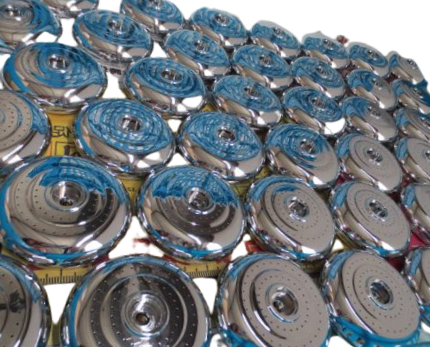
Hard chrome electroplating of disc jobs

Conclusion

In conclusion, hard chrome electroplating is a widely used industrial process that provides exceptional hardness, wear resistance, and corrosion resistance to metal substrates. Hexavalent chrome is the traditional form of chrome electroplating that has exceptional hardness and corrosion resistance but is highly toxic. Trivalent chrome is a newer, safer alternative that provides good hardness and corrosion resistance and is gaining popularity in the industry. Both hexavalent and trivalent chrome electroplating have their advantages and disadvantages, and the choice between the two ultimately depends on the specific application and regulatory requirements.

Bright Chrome Electroplating

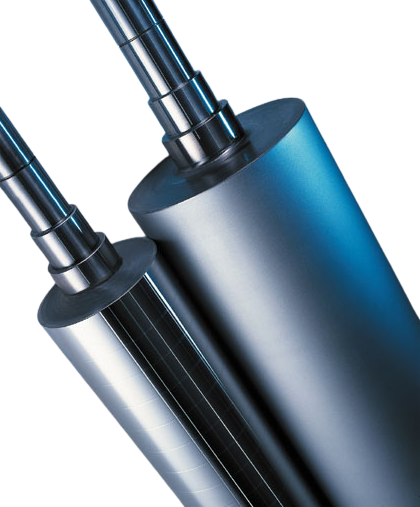
Bright chrome electroplating of roller shaft

Bright chrome electroplating is a popular method of plating metal surfaces with a layer of bright and reflective chrome. The process involves the use of an electrolyte solution containing chromium ions, which are deposited onto a metal substrate through the use of an electrical current.

The bright chrome electroplating process begins with the cleaning and preparation of the metal substrate to be plated. This is essential to ensure proper adhesion of the plating and to prevent defects in the final product. The substrate is then connected to the negative terminal of a power supply, and a chromium electrolyte solution is used as the plating bath.

During the plating process, the chromium ions in the solution are attracted to the metal substrate, where they are reduced to a metallic form through the use of an electrical current. The reduction of the ions creates a layer of bright and reflective chrome on the surface of the substrate.

Bright chrome electroplating is commonly used in a variety of applications, including automotive and motorcycle parts, decorative trim, and household fixtures. The bright and reflective finish provided by the plating gives a luxurious and high-quality appearance, making it a popular choice for applications where aesthetics are important.

Bright chrome electroplating of parts

One of the main benefits of bright chrome electroplating is its exceptional corrosion resistance. The plating provides a layer of protection against corrosion, helping to extend the lifespan of the plated object. Additionally, the plating can be further enhanced through the use of various additives, such as brighteners and stabilizers, which can improve the brightness, durability, and wear resistance of the final product.

Factors that can affect the quality of bright chrome electroplating include the composition of the electrolyte solution, the current density, the temperature of the solution, and the surface preparation of the substrate. Proper control of these factors is essential to ensure consistent, high-quality plating.

In conclusion, bright chrome electroplating is a highly effective method of plating metal surfaces with a bright and reflective layer of chrome. It provides exceptional corrosion resistance and is widely used in a variety of applications. With proper control of the plating process, bright chrome electroplating can produce consistent, high-quality results.